What Are Parking Signs and What Do They Mean?

Parking signs shape how drivers read a street, often within a few seconds. A red curb, a blue accessibility symbol, or a small time panel can change where a vehicle may stand. These signs are not merely roadside decoration. They communicate restrictions, permissions, timing, payment rules, and special conditions.

Parking expert Donald Shoup wrote, “Cruising for parking is a major source of traffic congestion.” Clear parking signs can reduce that uncertainty. They help drivers notice loading zones, permit areas, street-cleaning periods, and spaces with limited duration. However, reading them requires attention. A large symbol may be easy to see, while a smaller arrow or weekday line is easier to miss. Sometimes, the layout feels confusing. That is a practical weakness worth acknowledging.

This guide, “What Are Parking Signs and What Do They Mean?”, explains the common sign types and the details behind their messages. It will examine colors, symbols, arrows, time limits, payment instructions, and accessibility markings. Examples will focus on familiar scenes, such as a sign beside a busy café or a pole near a school entrance. Local rules can differ, so drivers should always check current information from the responsible transportation authority. A sign may look simple, but its meaning depends on every visible detail. Careful reading matters. One overlooked word can turn a convenient space into a costly mistake.
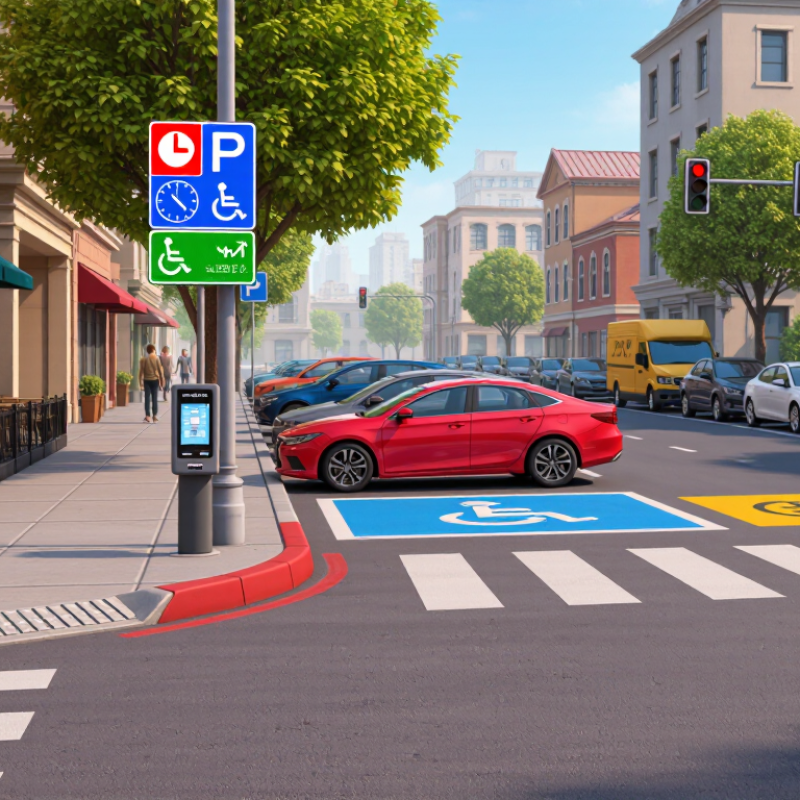
What Are Parking Signs and What Do They Mean?

What Parking Signs Are and Why They Matter

What Are Parking Signs and What Do They Mean?

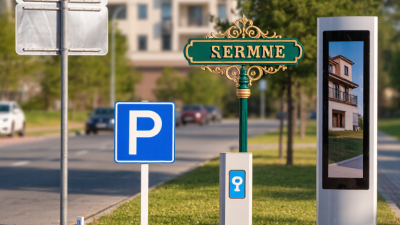
Parking signs are visual instructions placed beside roads, garages, and loading areas. They explain where vehicles may stop, when parking is allowed, and which conditions apply. A blue accessible-parking symbol, a red restriction line, or a time panel can change the meaning completely. Drivers often notice the large word “PARKING” first. The smaller details usually control the decision.

Clear signs matter because uncertainty wastes time and creates avoidable conflicts. The INRIX Global Traffic Scorecard reported that American drivers spent an average of 17 hours searching for parking in 2017, costing about $345 per driver. That figure is older, but the problem remains useful for planning discussions. Consistent sign design can reduce repeated circling near busy streets. It also helps pedestrians, delivery workers, and emergency responders understand curb activity.

The U.S. Department of Transportation’s Manual on Uniform Traffic Control Devices provides national guidance for sign layout, symbols, colors, and placement. However, a compliant sign can still confuse people. A field audit may reveal a hidden time limit, poor lighting, or a tree blocking the panel. Small errors matter. Effective parking signs should be readable from the driver’s approach, not only from the sidewalk. Designers should test signs with real users and review them after installation. That step is sometimes skipped, and it probably should not be.

Common Types of Parking Signs and Their Meanings

What Are Parking Signs and What Do They Mean?

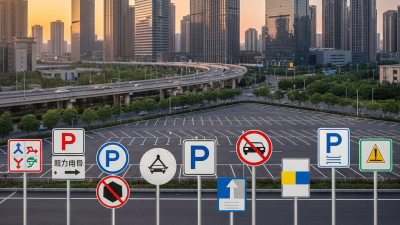
Parking signs control where, when, and how long vehicles may remain. Their meanings depend on words, symbols, arrows, and time ranges. A “No Parking” sign usually allows brief stops for picking up passengers, while a “No Stopping” sign generally prohibits waiting. Local rules can differ, so the complete sign matters more than one phrase.

Common Types of Parking Signs and Their Meanings

Time-limit signs show how long a vehicle may stay, such as 30 minutes between 8 a.m. and 6 p.m. Check whether the restriction applies only on weekdays. Permit signs reserve spaces for approved vehicles, while paid-parking signs require payment during stated hours. Loading-zone signs may allow short commercial deliveries, but they often restrict ordinary parking. Disabled-parking signs identify spaces requiring an approved permit. Street-cleaning signs can prohibit parking on specific days, even when the curb looks empty.

Read every detail.

Arrows show the controlled direction. A sign facing one way may not govern the entire street. Red borders, crossed symbols, and small supplemental panels can change the basic meaning. Tow-away warnings indicate serious parking consequences, but enforcement details vary by location. Even experienced drivers can misread a crowded signpost. I sometimes focus on the large symbol and miss the smaller time panel. A careful habit is to scan from top to bottom, check nearby signs, and confirm the curb markings. If the instructions remain unclear, choosing another space is usually the more reliable decision.

How to Read Parking Rules, Symbols, and Time Limits

What Are Parking Signs and What Do They Mean?

How to Read Parking Rules, Symbols, and Time Limits

Parking signs explain where, when, and how long a vehicle may remain. Read the entire sign, not just the largest symbol. A red slash often means stopping or parking is restricted. A blue symbol may identify accessible parking, but extra conditions usually apply. Arrows show which side of the street the rule covers. They can point toward a space, away from it, or both ways.

Time limits need careful attention. “2 hours” may apply only during listed hours, such as 8 a.m. to 6 p.m. Outside that period, different rules may operate. Check the days, date panels, and wording about permits or payment. A sign can allow parking on weekdays but prohibit it during street cleaning. Small text matters. Very much.

Look at nearby signs and curb markings before leaving the vehicle. Rules can change after an intersection, driveway, bus stop, or marked bay. I once focused on a two-hour limit and missed a short loading restriction beneath it. That mistake showed me how easily familiar symbols create false confidence. If the sign seems damaged, blocked, or unclear, check the local parking authority’s current guidance. Take a quick photo for later review, but do not rely on memory alone. Even experienced drivers can misread one arrow.

What Are Parking Signs and What Do They Mean?

Parking signs commonly show whether stopping is allowed, how long a vehicle may remain, and which conditions apply. The time limits below are common examples; always follow the exact sign and local regulations.

How to read them: Check the main restriction first, then read supplementary panels for days, hours, payment requirements, permits, or maximum stay. A “No stopping” rule is generally stricter than “No parking,” while accessible spaces require the appropriate permit or authorization.

Understanding Parking Restrictions in Different Locations

Parking signs explain where, when, and how long a vehicle may remain. Their meaning can change between locations, even within the same town. On a public street, a sign may show paid parking hours, maximum stay, or certain days of restriction. A small plate beneath it often carries the most important detail.

Residential areas usually protect driveways, narrow roads, or permit holders. A permit sign may allow parking only for registered residents during specific hours. Near schools, stopping restrictions can become stricter during arrival and dismissal times. Hospital entrances often reserve spaces for urgent access, visitors, or accessible parking. Private car parks may use separate terms, payment rules, and enforcement procedures, so drivers should read the entrance sign before leaving the vehicle.

I once focused on a large parking symbol and missed a smaller time plate below it. That mistake showed me that size does not equal importance. I now check every line, road marking, payment notice, and nearby sign. Look for arrows, because they indicate where a restriction begins or ends. Weather can hide faded paint, but uncertainty still deserves caution. If wording seems unclear, confirm the rule through the local authority or property operator. Rules also change after construction, events, or temporary road works. My judgment is not always perfect, and familiar streets can create careless habits. A parked vehicle should never block a driveway, emergency route, crossing, or access area.

What Are Parking Signs and What Do They Mean? - Understanding Parking Restrictions in Different Locations

Parking sign designs, colors, and exact restrictions vary by country and local authority. Always check the wording, arrows, time plates, and nearby road markings.
Sign Type Common Appearance What It Usually Means Typical Locations Driver Action Important Details to Check
No Parking A letter or symbol crossed by a diagonal line; designs differ by jurisdiction. Parking is prohibited, although brief stopping may sometimes be allowed for loading or passenger pickup if local rules permit. Busy streets, intersections, bus routes, school areas, and narrow roads. Do not leave the vehicle parked. Stop only when the sign and local law allow it. Look for operating hours, arrows showing the controlled area, loading exceptions, and curb markings.
No Stopping Often shown with a crossed stopping symbol or a red cross, depending on the country. Neither stopping nor parking is allowed, except where an explicit legal exception applies, such as an emergency. Clearways, major traffic routes, junction approaches, tunnels, and areas requiring unobstructed traffic flow. Keep moving and do not wait, unload, or pick up passengers within the restricted area. Check whether the restriction applies continuously or only during stated hours.
Time-Limited Parking A parking symbol with a maximum period, such as “1 hour” or “2 hours.” Parking is permitted for a specified maximum time, usually during stated operating hours. Shopping streets, town centers, public facilities, and short-stay areas. Park only for the permitted duration and leave before the limit expires. Check whether returning to the same space within a set period is prohibited.
Paid Parking A parking symbol accompanied by payment instructions, a meter symbol, or a tariff panel. Parking is allowed after the required fee is paid or a valid parking session is started. Central business districts, transport hubs, municipal parking areas, and commercial streets. Pay using the permitted method and display or retain proof when required. Review payment hours, rates, maximum stay, vehicle registration requirements, and exemptions.
Permit-Only Parking A parking symbol with wording such as “Permit Holders Only” or a zone permit reference. Only vehicles displaying or registered with the required valid permit may park during the restricted period. Residential permit zones, employee areas, institutional sites, and controlled neighborhoods. Do not park unless the vehicle meets the permit conditions. Check zone letters or numbers, visitor permissions, permit display rules, and enforcement hours.
Disabled Parking The internationally recognized wheelchair access symbol, usually on a blue or white sign. The space is reserved for vehicles displaying a valid accessible parking permit or meeting local eligibility requirements. Parking lots, public buildings, hospitals, retail areas, and accessible entrances. Use the space only when legally entitled and park within the marked bay. Check whether time limits, payment requirements, or permit display rules still apply.
Loading Zone A loading symbol or wording indicating loading and unloading restrictions; curb colors may also be used. Stopping may be allowed for active loading or unloading, but ordinary parking is generally not permitted. Commercial streets, delivery areas, markets, and building entrances. Remain with or close to the vehicle and complete loading promptly when permitted. Check vehicle-type limits, permitted hours, weight restrictions, and whether passenger pickup is excluded.
Bus Stop or Transit Stop A bus or transit symbol with a stop name, route information, or a marked curb area. Parking is prohibited within the designated stop area so public vehicles can safely board and exit. Roadside transit stops, shelters, stations, and marked boarding islands. Keep the stop clear; do not wait or park in the marked area. Observe sign boundaries, curb markings, nearby bus lanes, and time-based restrictions.
Taxi or Ride-Pickup Stand A taxi symbol or a designated pickup and drop-off notice. The area is reserved for authorized taxis or short passenger pickup and drop-off, according to local rules. Airports, stations, entertainment districts, hotels, and busy commercial areas. Use only for the activity stated on the sign and leave promptly. Check whether private vehicles may stop, how long they may wait, and which hours apply.
Emergency Access or Fire Lane Clear red or white wording such as “Keep Clear,” “Fire Lane,” or “Emergency Access.” Stopping and parking are prohibited because emergency vehicles must have unobstructed access. Outside hospitals, schools, apartment buildings, public venues, and fire exits. Keep the entire access route clear at all times unless directed by authorized personnel. Road markings may extend beyond the sign, and vehicles may be removed or fined for obstruction.
Street Cleaning Restriction A parking restriction sign with cleaning dates, days, or operating times; some areas also use curb markings. Parking is prohibited during scheduled cleaning periods so maintenance vehicles can access the curb. Urban residential streets and municipal maintenance routes. Move the vehicle before the stated restriction begins and return only when permitted. Read the exact day, date, time, side of the street, and seasonal schedule.
Overnight or Seasonal Restriction A parking sign with night-time hours, seasonal dates, weather conditions, or winter-maintenance wording. Parking is restricted during specified periods, often for snow removal, street maintenance, events, or security. Snow-prone streets, beaches, parks, event zones, and roads with scheduled maintenance. Follow the stated dates and times, even if parking is normally allowed there. Check temporary notices and changing conditions, which may override permanent parking signs.
Park-and-Ride Parking A parking symbol combined with a transit, rail, or bus interchange symbol. Parking is provided for travelers transferring to public transportation, often subject to posted conditions. Transit stations, suburban rail stops, and transport interchange facilities. Park in the designated area and comply with payment, access, and maximum-stay requirements. Check overnight rules, permit requirements, opening hours, and whether the facility is reserved for transit users.

How to Follow Parking Signs and Avoid Violations

What Are Parking Signs and What Do They Mean?

Parking signs are instructions, not decoration. Read every panel. A blue “P” may allow parking, while a red slash can prohibit it. Time limits, permit requirements, street-cleaning hours, and loading rules often appear below the main symbol. These smaller panels control the details. Do not guess. Check the days, hours, arrows, and curb markings before leaving your vehicle.

A practical habit helps: stand beside the sign and scan both directions. An arrow may apply only to one section of the curb. If two signs seem inconsistent, follow the stricter instruction and confirm the local authority’s current guidance. The 2023 U.S. traffic-control manual emphasizes consistent symbols, supplemental plaques, and clear parking restrictions. That matters because confusing signs create avoidable mistakes.

Parking searches also consume real time. The 2017 Parking Pain Report estimated that drivers in the United States spent about 17 hours yearly looking for parking, with related costs near $345 per driver. Careful sign reading can reduce wasted circling and unexpected penalties. Still, even careful readers can miss a small time window at dusk or overlook a temporary notice. I have done that myself. Take a clear photo of the sign, check the timestamp, and re-read it before walking away. Keep receipts or digital session records when payment applies. Conditions can change after road work, events, or emergency restrictions.