Global sourcing can open access to capable suppliers, competitive pricing, and specialized production. It can also hide risks behind polished websites and confident sales presentations. A delayed sample may reflect congestion, not dishonesty. Repeated excuses deserve closer attention. These are early stop signs.
In practical sourcing work, warning signals rarely appear alone. Quality changes between samples, vague factory addresses, incomplete certifications, and pressure for unusual payment terms can form a worrying pattern. A supplier that avoids a live production-floor call may need stronger verification. Small details matter, such as inconsistent carton markings or a promised inspection report without clear testing standards. No checklist is perfect. That matters.
This guide explains seven stop signs that procurement teams should examine before placing larger orders. It considers supplier communication, documentation, quality control, payment requests, capacity claims, and traceability. Each point should be tested against evidence, not assumptions. Request current records, compare answers, and use independent inspections when the order justifies the cost. Experienced buyers also review corrective actions, not only initial promises. A supplier’s response to a defect can reveal more than a flawless presentation.
The goal is not to reject every unfamiliar supplier. It is to build a reliable decision process. Some concerns have reasonable explanations. Others expose avoidable weaknesses. Good sourcing requires curiosity, professional judgment, and the willingness to pause. That pause can protect product quality, customer trust, and long-term supply continuity.
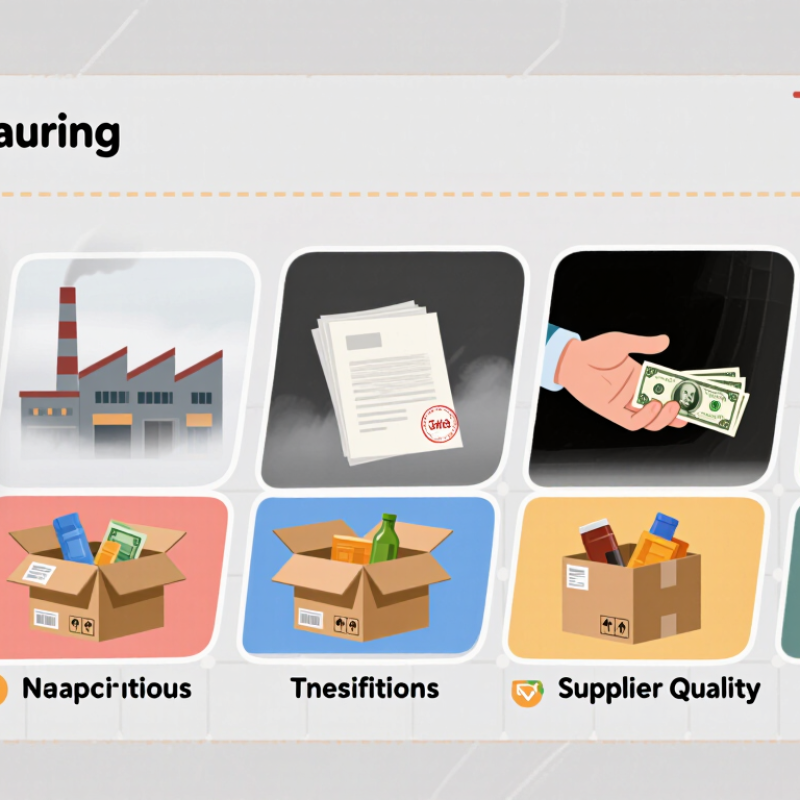
In global sourcing, a stop sign is a condition that should halt approval, not merely trigger negotiation. I define it before requesting quotes, using evidence a purchasing team can verify. An unclear factory address, evasive ownership details, or missing production records deserves immediate review. Pause there. A price far below comparable offers is another warning. It may reflect poor specifications, hidden costs, or unreliable capacity. Do not reward speed over proof.
During supplier checks, I look for four more signals: inconsistent samples, unexplained material substitutions, weak quality controls, and pressure to bypass written terms. A sample that passes in a meeting but fails after washing is not a small defect. It questions the inspection process. Ask for batch records, test results, corrective-action logs, and realistic lead-time data. Reliable suppliers can explain variations without becoming defensive. Still, documentation is not truth by itself. I once treated a polished audit file as stronger evidence than a factory visit. That judgment needed correction.
A final stop sign is an incomplete risk response. If a supplier cannot explain how it handles delays, rejected goods, worker safety, or data protection, pause the decision. Define ownership, escalation contacts, inspection points, and payment conditions in writing. Use independent verification when the order is material or unfamiliar. A checklist helps, but experienced judgment remains necessary. Some risks appear only when details conflict. That is where discipline matters.
A polished website proves little. Stop sign one is unclear ownership. Request registration documents, factory addresses, and two recent customer references. Stop sign two is unverifiable certification. Check certificate numbers directly with issuing bodies. Expired documents deserve immediate questions. The World Bank’s 2023 Logistics Performance Index compares 139 economies across customs, infrastructure, logistics competence, tracking, and timeliness. Use these factors when assessing a supplier’s location and delivery claims.
Stop sign three is capacity that exists only in a presentation. Compare monthly output with equipment counts, shift schedules, maintenance logs, and current orders. Stop sign four is reluctance to show production areas. A short video is useful, but an independent site visit is stronger. Stop sign five is inconsistent paperwork. Names, addresses, and bank details should match everywhere.
I once treated neat documents as sufficient evidence. That was too optimistic.
Stop sign six is weak compliance evidence. Ask for worker training records, grievance procedures, safety inspections, and environmental permits. The ILO, Walk Free, and IOM estimated 27.6 million people were in forced labour in 2021, reported in Global Estimates of Modern Slavery 2022. Risk-based due diligence is not optional decoration. Stop sign seven is resistance to corrective actions. Reliable suppliers explain gaps, assign owners, and provide dates. Perfect suppliers do not exist. Transparent improvement matters more. Recheck the evidence before every major order.
Tip 1: Compare the full landed cost, not only the quoted unit price. Add tooling, samples, inspections, packaging, freight, duties, insurance, and payment fees. A cheap quotation can become expensive at the warehouse door.
Tip 2: Request a cost breakdown with quantities and assumptions. If the supplier avoids details, pause. Experienced buyers know that unclear pricing creates disputes later.
Tip 3: Check whether prices change after approval. Raw material adjustments should use a defined formula, evidence, and review date. “Market conditions” is too vague.
Tip 4: Read every contract schedule, including attachments and technical specifications. Confirm product tolerances, delivery dates, acceptance standards, warranties, and remedies. Missing details matter.
Tip 5: Define who pays for rework, rejected goods, storage, delayed shipments, and inspection failures. These costs often hide outside the unit price.
Tip 6: Review payment terms carefully. Large deposits may increase exposure, especially when milestones are unclear. Use documented approvals and measurable delivery points. I have seen teams focus on negotiation savings while overlooking cash-flow risk.
Tip 7: Test the contract against a realistic delay scenario. Ask what happens if materials arrive late, quantities change, or quality falls below the agreed standard. If the answer depends on informal promises, the agreement is weak. Keep a written change-control process, but do not assume every risk can be predicted. Some estimates will be wrong. That is why transparent assumptions, independent checks, and regular cost reviews remain essential.
Review Quality Controls, Communication, and Delivery Risks
A supplier’s quality system should be visible, not merely promised. Ask for inspection plans, batch records, calibration dates, and recent corrective actions. Compare samples with approved specifications, including color, weight, stitching, packaging, and labeling. Request an independent pre-shipment inspection when product risk is high. Small defects often reveal weak process controls.
Communication problems usually appear before delivery problems. Notice whether answers are specific, timely, and supported by evidence. Confirm one responsible contact, escalation routes, factory working hours, and update frequency. Ask for photos showing production stages, not only finished cartons. Silence is a warning sign. Vague replies deserve written follow-up and a firm deadline.
Delivery risk needs more than an estimated ship date. Check production capacity, material availability, port options, transit times, and customs documentation. Build a buffer for seasonal congestion and unexpected rework. Require milestone updates, tracking details, and a contingency plan for delays. A second qualified source can reduce pressure, though maintaining one is not always practical.
In supplier reviews, teams sometimes trust polished presentations too quickly. I have seen attractive samples hide inconsistent production. That mistake is avoidable, but only when quality, communication, and delivery evidence are reviewed together.
In supplier reviews, I have seen small warning signs become expensive disruptions. A sudden bank-account change, vague inspection records, or repeated sample delays deserves a documented response. Do not rely on urgency. Pause the affected order, preserve emails, and request dated evidence from the supplier. Keep the tone factual. An accusation can close communication before the facts are clear.
Create a response plan before the next warning appears. Assign one owner, one backup, and a fixed review time. Classify each issue as quality, capacity, financial, logistics, or compliance risk. Then set actions, deadlines, and proof requirements for each category. A capacity concern may require production photos, shipment history, and a verified output schedule. Ask for evidence you can independently check. Never approve a recovery promise based on a polished call alone. Use a small shipment or staged release when uncertainty remains.
If evidence is late or inconsistent, escalate to a cross-functional review. Procurement should involve quality, finance, logistics, and compliance specialists when appropriate. Document every decision and its trigger. This protects continuity and creates an audit trail. Be willing to reconsider your own assumptions. I have seen teams dismiss a warning because prices were attractive. That choice felt efficient, but it weakened leverage later. Build alternate capacity before you need it. Small rehearsals expose weak plans.