How to Choose the Best Soybean Dryer for Your Business?
When selecting a soybean dryer for your business, quality matters significantly. Proper moisture management is crucial for preserving seed quality. In fact, according to the 2021 USDA report, 90% of soybean producers acknowledge the pivotal role of effective drying equipment in maintaining crop value. A reliable soybean dryer can minimize spoilage and enhance efficiency, directly impacting profitability.
With an increasing demand for soybeans globally, the importance of choosing the right drying technology grows. Studies indicate that improper drying can lead to losses of up to 20% in seed viability. Furthermore, each drying method has distinct advantages and limitations. Understanding these is key to making the right choice.
Investing in a suitable soybean dryer is essential. It is not just about efficiency; it’s about safeguarding your investment in quality. Many businesses overlook critical factors like capacity and energy consumption. Therefore, a careful evaluation of industry standards and best practices is necessary.
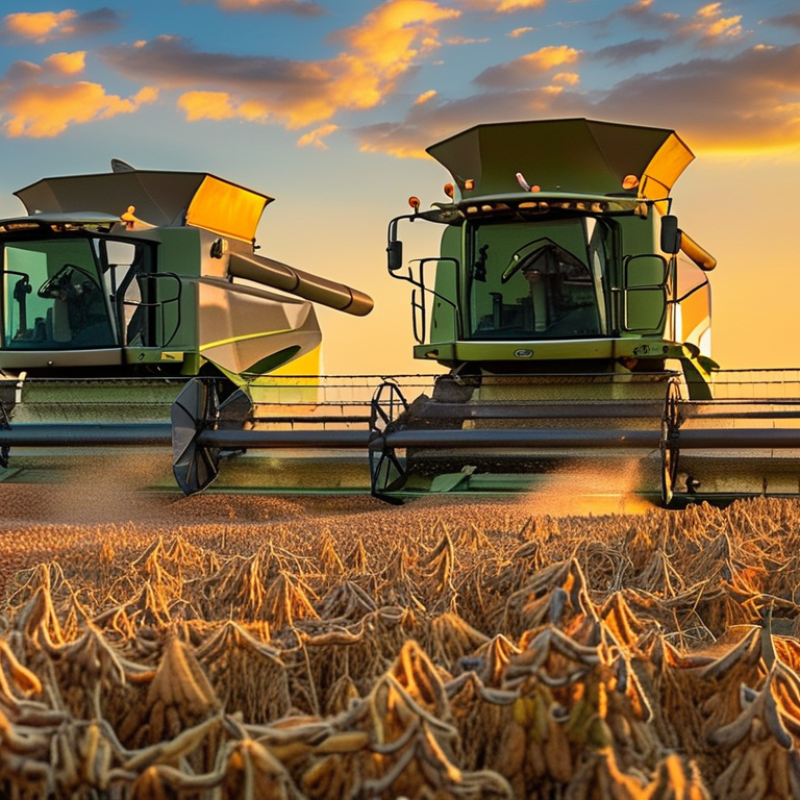
Understanding the Importance of Soybean Drying in Agriculture
Soybean drying is a crucial process in agriculture. It affects seed quality and prevents spoilage. According to the USDA, improperly dried soybeans can result in a 15% loss in yield. Those losses are significant for farmers relying on a steady income.
Moisture control during storage is vital. Market data shows that soybeans should ideally be dried to a moisture level of 13% for optimal storage. If levels exceed this, spoilage and mold development become a risk. A recent study highlighted that mold can lower the market value of soybeans by up to 30%. This emphasizes the need for effective drying solutions.
Choosing the right dryer impacts efficiency. Traditional methods may not provide sufficient moisture control. Experts suggest that modern dryers can reduce drying time by 40%, enhancing overall productivity. However, not all solutions fit every operation. Evaluating factors like capacity and energy consumption is essential. Many farmers may overlook these, possibly leading to unnecessary expenses.
How to Choose the Best Soybean Dryer for Your Business?
| Dryer Type | Capacity (bushels/hour) | Energy Source | Drying Method | Average Cost ($) |
| Batch Dryer | 80 | Natural Gas | Indirect | 15,000 |
| Continuous Flow Dryer | 200 | Propane | Direct | 25,000 |
| Mixed-Flow Dryer | 150 | Electric | Hybrid | 20,000 |
| Cross-Flow Dryer | 100 | Natural Gas | Direct | 18,000 |
Key Factors to Consider When Selecting a Soybean Dryer
When selecting a soybean dryer, several key factors demand your attention. Efficiency is paramount. According to industry reports, a high-efficiency dryer can reduce energy costs by up to 20%. This directly influences your bottom line. It's essential to consider the drying capacity, especially during peak harvest times when processing volumes surge. A dryer that cannot keep pace with your throughput can lead to spoilage and financial loss.
Another critical factor is moisture control. Maintaining optimal moisture levels is vital for preserving grain quality. The National Institute of Food and Agriculture states that dried soybeans should contain moisture levels below 13%. Excess moisture can foster mold growth and reduce shelf life. Innovative dryers now feature advanced monitoring systems that help achieve this precision, but these technologies often come at a higher initial cost.
Lastly, consider the overall reliability of the equipment. Look for models with a strong track record in performance and maintenance. While many manufacturers claim reliability, some show higher failure rates. The average downtime for equipment failures can significantly impact operations during the harvest. Investing time in researching user reviews and industry benchmarks can yield valuable insights.
Types of Soybean Dryers and Their Features
When selecting a soybean dryer, understanding the different types and their features is crucial. **Batch dryers** are popular for small to medium operations. They operate by cooling down grains in a controlled environment. This helps preserve seed quality. However, they require more labor during the loading and unloading process. Consider how this might impact your workflow efficiency.
**Continuous-flow dryers** are ideal for larger operations. They offer a steady output, moving beans through the drying process without interruptions. These systems often feature advanced controls for temperature and moisture management. While they may have a higher initial cost, the efficiency gains can be significant. Be mindful, though, as they can also lead to over-drying if not monitored carefully.
**Mixed-flow dryers** combine batch and continuous methods. They utilize multiple drying technologies, allowing for energy savings while maintaining quality. However, their complexity might require more extensive training for staff. If your operation lacks technical expertise, investing in mixed-flow systems may pose challenges. It's essential to weigh these factors when making your decision.
Types of Soybean Dryers and Their Features
Assessing Efficiency and Capacity Requirements for Your Business
When selecting a soybean dryer, understanding your efficiency and capacity needs is vital. Industry reports suggest that a dryer’s efficiency can greatly impact operational costs. For instance, a high-efficiency dryer can reduce drying time and energy use by up to 30%. This not only saves money but also enhances the quality of the soybeans.
Next, consider the drying capacity. Determine the volume of soybeans you process. According to the USDA, an average soybean production farm may require a dryer with a capacity of 20 to 30 tons per hour. If your operations scale up, ensure you choose a dryer that meets your future demands. A dryer that can accommodate fluctuations in crop volume will reduce inefficiencies.
Tips: Always evaluate the energy source required for the dryer. Different energy sources can affect overall cost. Additionally, keep in mind the maintenance routine. A complex dryer may have higher upkeep costs, impacting your bottom line. It's essential to balance upfront costs with long-term operational efficiency. Ask for expert advice when possible to ensure reliability in your selection process.
Budgeting and Cost Analysis for Soybean Dryer Investment
When budgeting for a soybean dryer, you must consider various costs. The initial purchase price is only one aspect. Installation expenses, ongoing maintenance, and energy consumption also play significant roles. Many businesses overlook these factors. This oversight can lead to unexpected financial strain later on.
Calculating the total cost of ownership is vital. Research shows that dryers with higher efficiency can save money in the long run. While they might have a higher upfront cost, lower operating expenses make them worthwhile investments. However, not all businesses have the same requirements. Smaller operations might find basic models sufficient, while larger farms may benefit from advanced technology.
Be cautious about financing options. Loan terms can impact your overall budget. Some options may hide extra fees or interests. It’s essential to read the fine print. Evaluating your business’s specific needs against the investment can help you make an informed choice. This balance is crucial for maintaining financial health while ensuring operational efficiency.
.png)