Top 10 Ways to Enhance Pedestrian Safety in China?
In China, pedestrian safety has become a pressing concern. According to a report by the Ministry of Public Security, pedestrian-related fatalities accounted for over 30% of traffic deaths in urban areas in recent years. This alarming statistic highlights the urgent need for effective measures to enhance pedestrian safety. Cities across the nation are witnessing a steady increase in foot traffic, leading to more vulnerable pedestrians on the roads.
Improving pedestrian safety requires a multifaceted approach. Implementing clearer signage, constructing more pedestrian-friendly infrastructures, and fostering public awareness can significantly reduce accidents. A study conducted by the World Health Organization emphasizes that enhanced road designs can lower pedestrian injuries by up to 40%. Despite this, challenges remain. Cities often overlook pedestrian needs in planning, leading to unsafe walking conditions.
Designing safe pedestrian environments is not just about installing traffic lights or crosswalks. It involves understanding the behavior and needs of pedestrians. Many current urban layouts still prioritize vehicles over pedestrians, which can lead to dangerous situations. In addressing these issues, stakeholders must prioritize pedestrian safety in traffic policies and urban design. The road ahead is complex, but every effort counts towards creating safer spaces for all.
Implementing Effective Urban Planning to Increase Sidewalk Space
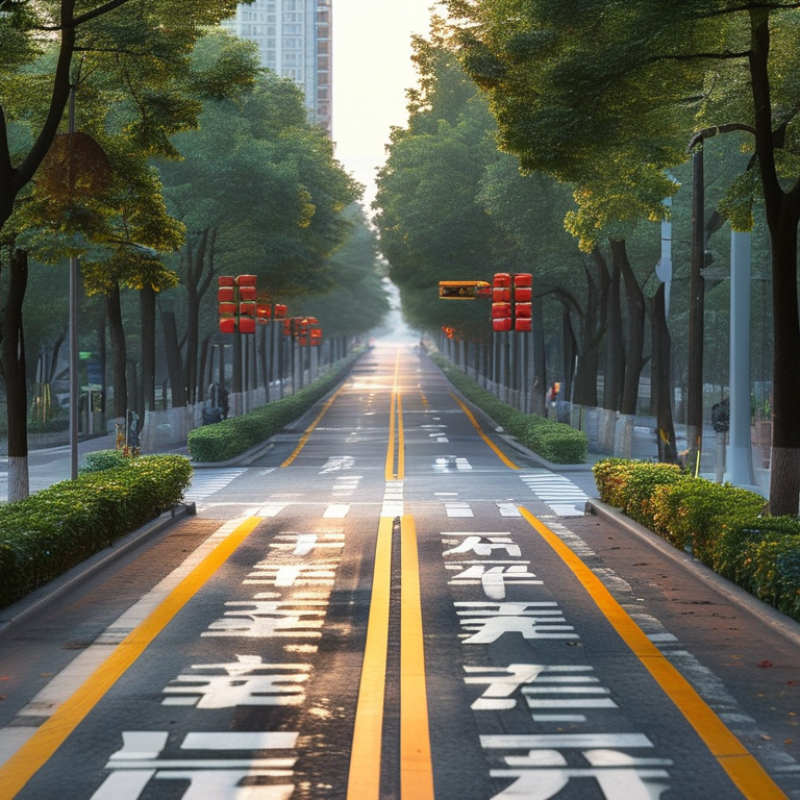
Urban planning plays a crucial role in enhancing pedestrian safety. A well-designed city can increase sidewalk space effectively. Wider sidewalks provide more room for pedestrians, reducing crowding and minimizing accidents. Cities can allocate more street space for walking, especially in busy areas. Properly designed pathways are essential for urban life, encouraging walking and promoting community interaction.
Effective urban planning should prioritize pedestrian needs. It's important to create safe crossings. Traffic signals and pedestrian-friendly designs can make a significant difference. Adding green space along walkways can also help. Streets adorned with trees not only beautify but offer shade; shade provides comfort during hot weather. Meanwhile, integrating seating areas encourages longer stays.
Still, challenges remain. Not all cities have adequate funding for such projects. Some neighborhoods prioritize cars over pedestrians, creating disparities in safety and accessibility. Citizens must advocate for better planning. Continuous feedback from the community can shape future designs. Collaboration among urban planners and residents will lead to more effective solutions. It’s an ongoing journey towards safer streets for everyone.
Enhancing Roadway Design with Clear Signals and Pedestrian Crossings
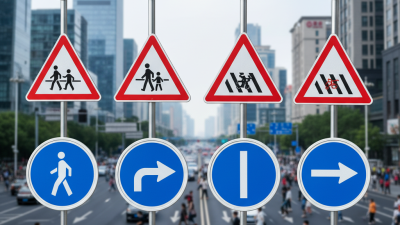
Enhancing pedestrian safety in China starts with effective roadway design. Clear signals and well-marked pedestrian crossings are essential elements. Proper signage helps drivers recognize pedestrian zones quickly. Without visible indicators, confusion often leads to accidents. Brightly colored, illuminated crossings increase visibility, especially at night. Installing overhead lights can make a notable difference.
Pedestrian crossings should be strategically placed. Areas with high foot traffic, near schools or markets, demand extra attention. Developers need to consider the flow of people. A poorly located crossing can lead to dangerous jaywalking situations. Regular checks are necessary. Inconsistent markings can fade over time, leading to hazardous conditions.
Many cities face challenges implementing these changes. Budget constraints often delay improvements. However, urban planning must prioritize safety. Incorporating community feedback can guide effective design. Engaging local residents in this process fosters trust and accountability. A well-designed city considers not just vehicles but also the people who walk its streets.
Promoting Public Awareness Campaigns on Pedestrian Safety Practices
Public awareness campaigns play a crucial role in enhancing pedestrian safety in China. These initiatives educate citizens on safe walking habits. Effective communication tools are vital for reaching diverse audiences. Posters, videos, and social media can share vital safety messages. For instance, reminding people to use crosswalks and watch for vehicles can save lives. Engaging local communities in these campaigns creates a sense of shared responsibility.
Moreover, educational programs in schools can instill safety awareness from a young age. Children learn best through interactive activities, such as role-playing traffic situations. Families can participate in community events, like safety walks, to reinforce these lessons. However, achieving sustained engagement remains a challenge. It’s important to continually assess what strategies resonate with the audience. Adjusting messaging based on feedback can improve impact.
Ultimately, collaboration is key. Local governments, NGOs, and residents must work together. Sharing successful strategies from various regions could amplify efforts. Persistent advocacy and innovative approaches can lead to meaningful improvements in pedestrian safety. Yet, this requires ongoing commitment and reflection on past shortcomings.
Top 10 Ways to Enhance Pedestrian Safety in China
Leveraging Technology for Real-Time Traffic Monitoring and Alerts
Innovative technology offers powerful tools to enhance pedestrian safety in China. Real-time traffic monitoring systems can provide immediate alerts to both drivers and pedestrians. This rapid exchange of information can significantly reduce accidents. Imagine an alert on a driver's phone when someone is crossing nearby. Such measures could prevent many injuries.
Mobile applications that provide live updates about traffic conditions can also be effective. Pedestrians can receive notifications about heavy traffic zones or road work ahead. This information empowers them to choose safer routes. Live traffic cameras can offer visual updates, helping everyone stay informed. Yet, not all areas have such resources, creating gaps in safety.
Moreover, the technology must be user-friendly. Complicated interfaces can deter usage. It's crucial that these systems are accessible to all, including the elderly and disabled. Community involvement is vital for improvement. Gathering feedback about these technologies can lead to better designs and implementations. This ongoing dialogue ensures that pedestrian needs are met and safety continues to improve.
Strengthening Legislation to Enforce Traffic Regulations for Drivers
In recent years, pedestrian safety has become a pressing issue in China. A significant part of enhancing safety lies in strengthening legislation for driver traffic rules. Laws should prioritize protecting pedestrians, making it clear that their safety is paramount. Stricter penalties for traffic violations can deter reckless driving behavior. Fines or license suspensions might lead to better adherence to traffic laws.
Implementation is crucial. Local governments can play a key role in enforcing these regulations. Traffic police must be trained to focus on pedestrian safety. Installing surveillance cameras at busy intersections can serve as a preventive measure. This not only monitors compliance but also raises awareness among drivers. Additionally, public awareness campaigns are vital. Educating drivers about the consequences of ignoring pedestrian rights is essential.
Despite these efforts, challenges persist. Some areas may lack adequate traffic signals or crosswalks. This creates confusion and increases risks for pedestrians. A re-evaluation of urban planning is necessary. Cities must be designed with pedestrian movement in mind. Reflecting on these gaps can lead to more effective solutions. Enhancing pedestrian safety in China requires a multifaceted approach, with legislation at the forefront.
.png)