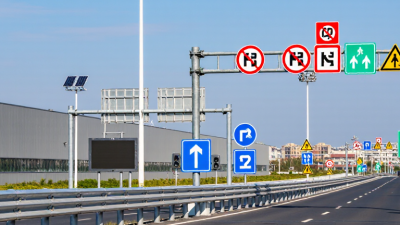
7 Best Pedestrian Safety Signs for Global Buyers
Every crossing tells a story about movement, attention, and risk. A child waits beside a school gate. A delivery driver turns quietly. A reflective sign catches the headlights.
The need is measurable. The World Health Organization’s Global Status Report on Road Safety 2023 estimates 1.19 million annual road traffic deaths worldwide. It also identifies pedestrians, cyclists, and motorcyclists as vulnerable road users facing serious exposure. In the United States, the National Highway Traffic Safety Administration reported 7,522 pedestrian deaths in 2022, the highest recorded total since 1981. These figures show why clear pedestrian safety signs remain essential in streets, campuses, warehouses, hospitals, and transport facilities.
Yet signs are not magic. Their value depends on placement, contrast, viewing distance, mounting height, and local traffic behavior. A warning sign that works beside a bright urban road may fail in rain, glare, or a crowded factory entrance. Buyers should examine reflective performance, weather resistance, symbol clarity, language needs, and installation support. International references such as ISO 7010 can guide symbol selection, while national road authorities may impose additional requirements.
This guide reviews seven practical sign types for global buyers, including crossing warnings, school-zone signs, shared-path signs, and pedestrian-direction signs. The selection focuses on visibility, durability, usability, and procurement reliability. Some choices remain subjective. A cheaper sign may perform well initially but age poorly under sunlight. That deserves honest consideration.
Good safety communication is visible early. It supports human judgment without replacing it.
What Pedestrian Safety Signs Are and Why They Matter
7 Best Pedestrian Safety Signs for Global Buyers
What Pedestrian Safety Signs Are and Why They Matter
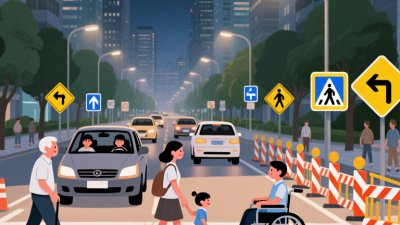
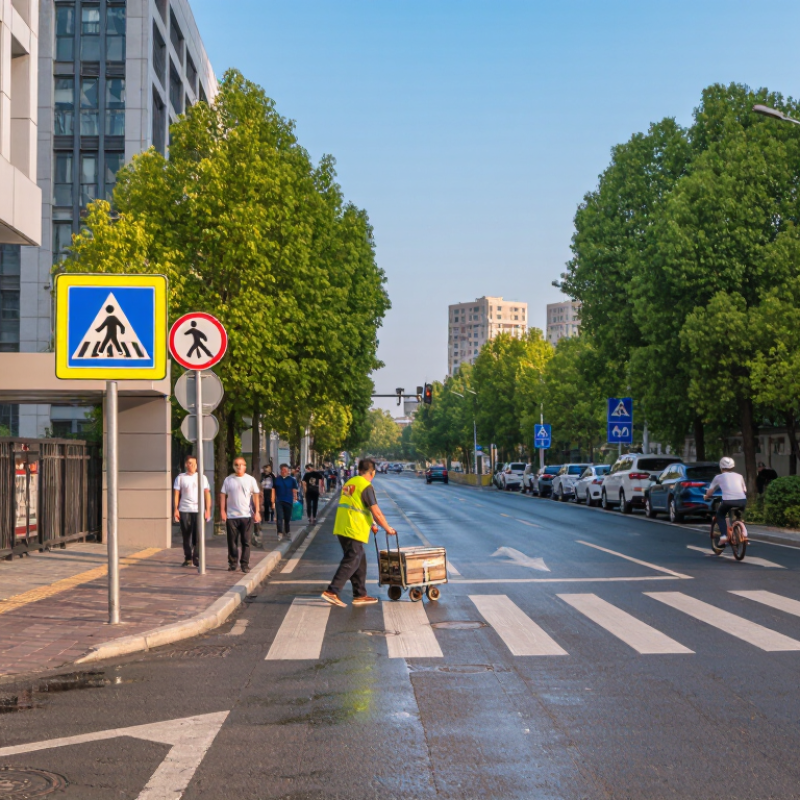
Pedestrian safety signs are visual road instructions that warn, guide, or prioritize people walking near vehicles. Common choices include pedestrian crossing, school zone, children crossing, shared path, pedestrian ahead, yield to pedestrians, and temporary detour signs. Each sign should match the site, traffic speed, visibility, and local road standards. A bright sign cannot repair a dangerous crossing design.
The need is measurable. The World Health Organization’s Global Status Report on Road Safety 2023 estimates 1.19 million annual road traffic deaths worldwide. Pedestrians, cyclists, and motorcyclists account for more than half of those fatalities. In the United States, the National Highway Traffic Safety Administration recorded 7,388 pedestrian deaths in 2022. These figures show why clear warnings matter before a driver reaches the conflict point.
Good signs use strong contrast, readable symbols, suitable mounting height, and weather-resistant materials. At night, reflective surfaces can help drivers recognize a crossing sooner. However, product selection is not only about brightness. Buyers should check viewing distance, language needs, wind exposure, installation methods, and certification requirements in the destination market. Mistakes still happen. A sign placed behind a tree is technically present, but practically useless. Testing visibility at morning, noon, and night gives a more honest result.
7 Best Pedestrian Safety Signs for Global Buyers
Pedestrian safety signs warn, guide, or restrict road users at locations such as crossings, school zones, shared paths, and construction areas. The comparison score reflects practical coverage across visibility, use-case range, and direct pedestrian guidance. Local traffic regulations should always determine the final sign design, color, and placement.
The most widely applicable options are pedestrian crossing signs, school-zone signs, pedestrian pathway signs, shared-path signs, and temporary work-zone pedestrian signs. Sign shapes, symbols, mounting heights, and retroreflective requirements vary between national and regional standards.
Seven Essential Pedestrian Safety Signs and Their Applications
Seven Essential Pedestrian Safety Signs and Their Applications
Pedestrian safety signs must match real movement, not only road layouts. The World Health Organization’s Global Status Report on Road Safety 2023 records about 1.19 million road deaths yearly. Pedestrians represent roughly 23% of those fatalities.
Seven signs deserve attention:
pedestrian crossing signs mark formal crossing points;
school-zone signs warn drivers near children;
children-crossing signs highlight unpredictable movement;
pedestrian-signal signs explain signal-controlled crossings;
shared-path signs separate walkers from cyclists;
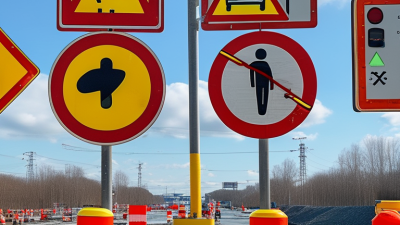
no-pedestrian signs protect restricted areas; and
temporary detour signs guide people around construction zones.
Each sign has a different job. Crossing signs work best before the crossing, where drivers have stopping distance. School signs need clear visibility during arrival and dismissal periods. Shared-path signs should appear at entrances and conflict points. No-pedestrian signs belong beside hazards, not far away. Temporary detour signs need stable mounting, bright contrast, and repeated direction arrows.
A sign can be technically correct yet poorly placed. That is a practical failure.
Tips: Choose high-contrast graphics, weather-resistant materials, and retroreflective surfaces for night visibility. Test the viewing distance from a driver’s eye level. Use familiar symbols, but verify local language and road-sign standards before shipment.
The U.S. National Highway Traffic Safety Administration reported 7,522 pedestrian deaths in 2022, showing why placement and maintenance matter. Rain, glare, parked vehicles, and damaged posts can reduce performance. Buyers should inspect samples in those conditions. No sign works alone. Experienced site reviews still matter.
Which Materials, Sizes, and Visibility Features Suit Different Environments
7 Best Pedestrian Safety Signs for Global Buyers
Pedestrian crossing signs suit city streets, parking areas, and transport terminals. Use durable aluminum for permanent outdoor installations. It resists corrosion and keeps the sign lightweight. School-zone signs need strong color contrast and fluorescent yellow-green backgrounds. Their larger sizes help drivers notice children near road edges. Shared-path signs should combine walking and cycling symbols. Place them where paths narrow or cross driveways.
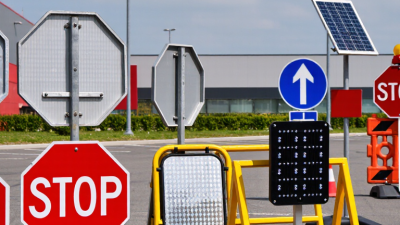
Construction detour signs require tough plastic or galvanized steel panels. Temporary supports must remain stable during wind and rain. Accessible crossing signs should use clear symbols and high-contrast lettering. They work best near ramps, tactile paving, and signalized crossings. Stop-and-slow signs help trained crossing personnel guide traffic. Warning signs for children, elderly pedestrians, or animals need extra viewing distance.
Size depends on speed, road width, and mounting height. Small signs may work inside private facilities, but open roads need larger panels. Retroreflective sheeting improves visibility at night. Fluorescent colors help during dawn, fog, and heavy traffic. Matte surfaces can reduce glare in bright sunlight. Coastal areas need sealed edges and corrosion-resistant fixings. Cold regions may need flexible materials that resist cracking. Hot climates can expose weak adhesives.
No sign works perfectly. A reflective face cannot fix poor placement. Buyers should check local road standards, wind conditions, language needs, and viewing distances before ordering. Field testing is useful, though often skipped. That mistake can reduce real-world visibility.
.png)