| Regulatory Pedestrian Crossing Sign |
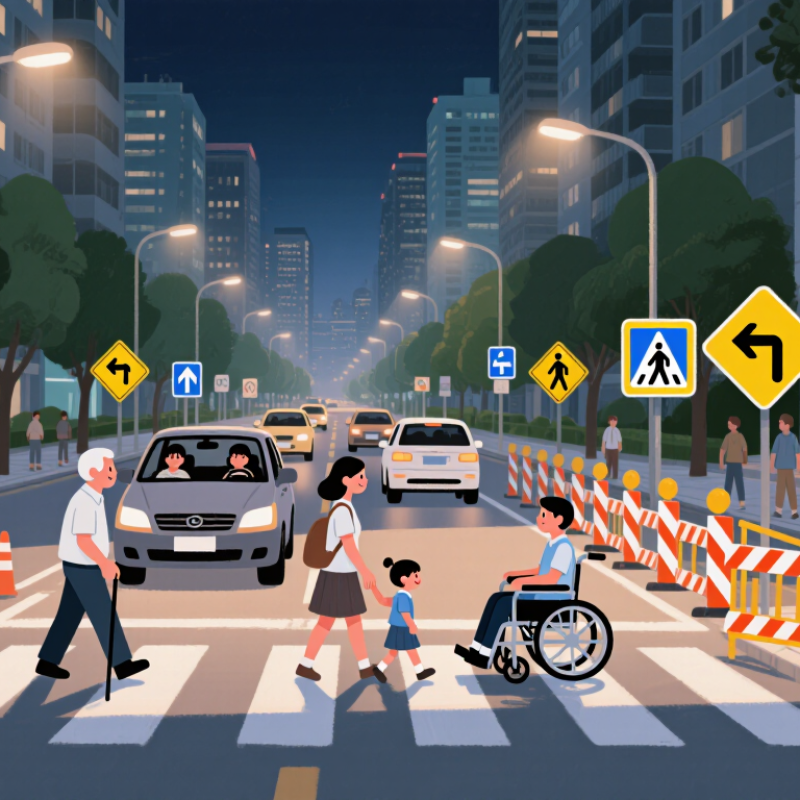
Indicates a legally designated pedestrian crossing and supports driver compliance. |
Pedestrian crossing symbol, zebra-crossing symbol, or a clear “CROSSWALK” legend. |
White legend or symbol on a contrasting regulatory background; exact colors depend on the applicable road standard. |
Usually rectangular or square. |
Aluminum sign panel with retroreflective sheeting for outdoor durability and nighttime recognition. |
At or near the crossing, positioned where approaching drivers can see it before the stopping area. |
Use a standardized symbol rather than a custom illustration. Avoid placing the sign behind trees, parked vehicles, or street furniture. |
| Pedestrian Crossing Warning Sign |
Warns motorists that pedestrians may enter or cross the roadway ahead. |
Walking person, crossing figure, or two-person pedestrian symbol. |
Fluorescent yellow-green or yellow backgrounds are commonly used for enhanced conspicuity; black symbols are typical. |
Diamond in many warning-sign systems; triangular warning signs are used in several other systems. |
High-intensity or microprismatic retroreflective sheeting on aluminum. |
Before the crossing at a distance that allows drivers to perceive, react, and slow down. |
Choose fluorescent yellow-green where pedestrian activity is high, especially near schools, transit stops, or complex backgrounds. |
| School Zone or School Crossing Sign |
Identifies an area with frequent child pedestrians and supports reduced-speed driving. |
Children walking, schoolhouse, “SCHOOL,” or “SCHOOL CROSSING.” |
Fluorescent yellow-green is widely used for school-related pedestrian warnings; black symbols or text provide contrast. |
Diamond or rectangular supplemental panel, depending on the message. |
Aluminum with durable fluorescent retroreflective sheeting; add an electronic beacon only where permitted and justified. |
At the beginning of the school zone and before school crossings, entrances, or pickup areas. |
Use short wording, large symbols, and consistent placement. Verify whether time-of-day panels or flashing devices are authorized locally. |
| Shared-Use Path Sign |
Identifies a route used by pedestrians, cyclists, and sometimes other non-motorized users. |
Walking person and bicycle symbols, either combined or separated by a dividing line. |
White symbols on a green, blue, or locally standardized informational background. |
Usually rectangular or square. |
Powder-coated aluminum or aluminum with reflective graphics; flexible signs may be used for temporary path management. |
At path entrances, intersections, route changes, and locations where users need confirmation. |
Use separate-direction symbols or pavement markings when pedestrians and cyclists are divided into different operating spaces. |
| Pedestrian and Bicycle Prohibition Sign |
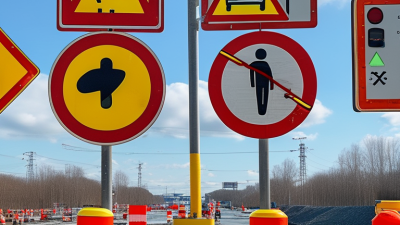
Restricts specific users from entering a road, lane, bridge, or facility. |
Pedestrian or bicycle symbol crossed by a diagonal bar or enclosed by a prohibition symbol. |
White field with a red prohibition ring or diagonal bar and a black user symbol in many international systems. |
Circular in many regulatory systems. |
Reflective aluminum panel or rigid polymer panel where impact resistance is important. |
At every practical access point to the restricted area and at decision points before entry. |
Do not rely on text alone. Pair the sign with a physical barrier, route information, or an alternative path when appropriate. |
| Accessible Route or Facility Sign |
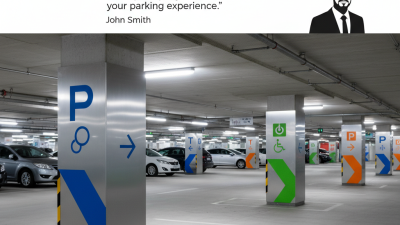
Directs users to accessible entrances, ramps, crossings, toilets, or pedestrian routes. |
International wheelchair symbol, directional arrow, and concise accessibility legend. |
High-contrast white symbol on blue is widely recognized; exact color requirements vary by jurisdiction. |
Square or rectangular. |
Aluminum, rigid PVC, or high-density polymer with UV-resistant printed or reflective graphics. |
At entrances, route junctions, level changes, and locations where the accessible route differs from the main route. |
Maintain clear sightlines and mount the sign where it can be read without blocking the accessible path or creating a protruding hazard. |
| Pedestrian Signal or Crossing Beacon Sign |
Identifies a signal-controlled crossing or a crossing supported by a pedestrian-activated beacon. |
Walking person, signal head, beacon icon, or a “PUSH BUTTON” instruction panel. |
Warning colors such as yellow or fluorescent yellow-green are common; regulatory and instructional panels use locally prescribed colors. |
Diamond for advance warning or rectangular for operating instructions. |
Weather-resistant aluminum with retroreflective sheeting; electronic components require sealed, corrosion-resistant housings. |
Before the crossing and beside the pedestrian push button or signal equipment, without obstructing wheelchair access. |
Use supplementary signs only when they clarify operation. Keep instructions brief and provide tactile or audible information where required. |
| Temporary Pedestrian Detour Sign |
Guides pedestrians safely around construction, closures, maintenance, or event-related obstructions. |
Walking person, directional arrow, “SIDEWALK CLOSED,” or “PEDESTRIAN DETOUR.” |
Orange is commonly used for temporary work-zone traffic control, with black symbols or text. |
Rectangular; arrow panels may be horizontal or vertical according to the route. |
Lightweight aluminum, corrugated plastic, or roll-up reflective material secured to a stable support. |
At the closure, before every decision point, and repeatedly along the complete detour route. |
The detour must remain continuous, well-lit, accessible, and free of trip hazards. Remove temporary signs when the restriction ends. |
| Pedestrian Destination or Wayfinding Sign |
Helps pedestrians find transit stops, public facilities, parks, crossings, districts, and other destinations. |
Destination name, walking symbol, directional arrow, distance, or estimated walking time. |
High-contrast informational colors such as white on dark green, blue, or charcoal; the local wayfinding system determines the final palette. |
Rectangular or blade-style directional panel. |
Powder-coated aluminum, stainless-steel components, or UV-stable polymer graphics for long-term outdoor use. |
At plazas, intersections, transit connections, and route choices where pedestrians need advance direction. |
Use consistent typography, arrows, and naming. Keep text short and maintain readable contrast in daylight and at night. |
.png)